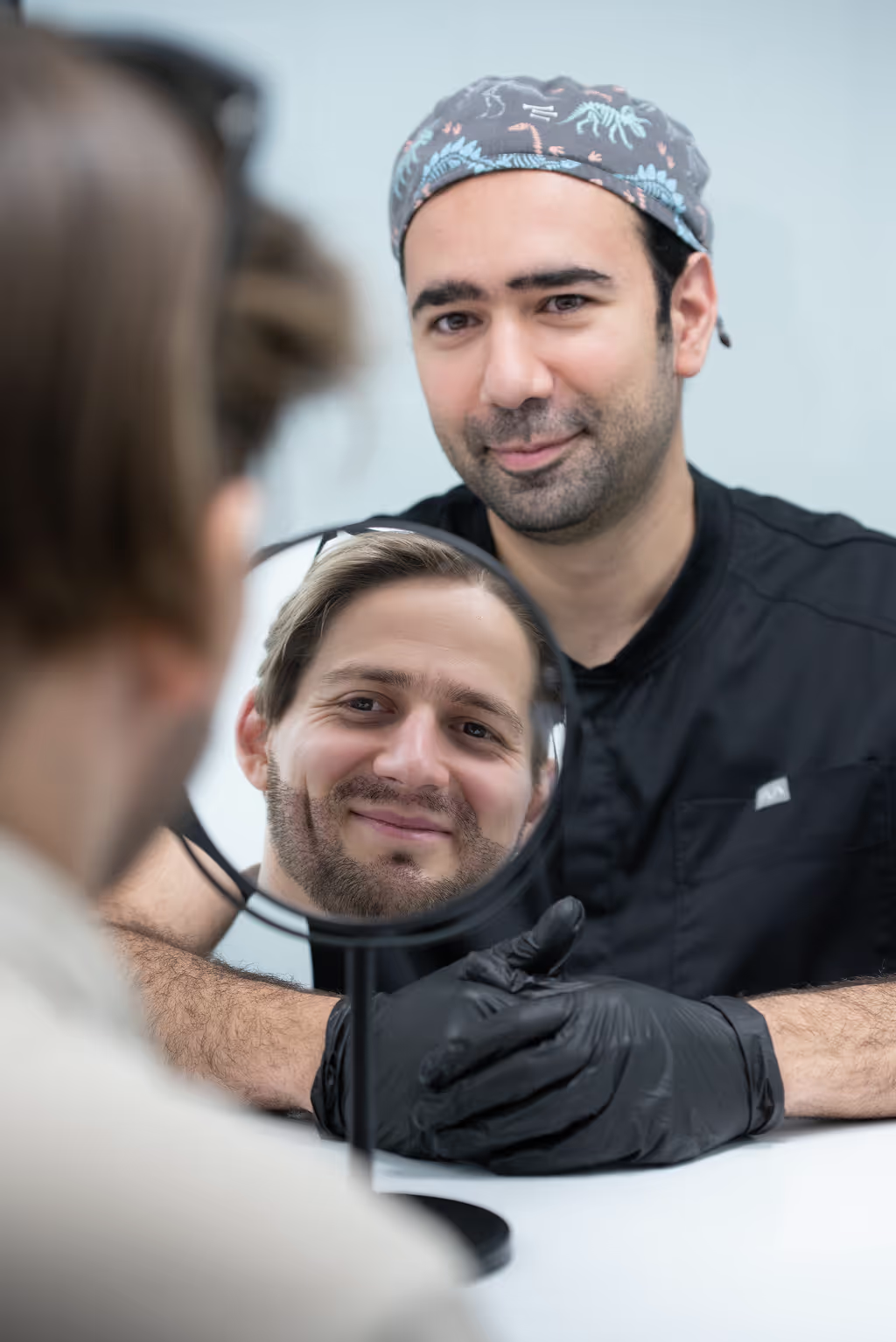
Female Hair Transplants, Assessed the Way Women Actually Lose Hair
Women's hair loss rarely looks like men's. At our Yerevan clinic we diagnose it on its own terms, recommend a transplant only when it will genuinely work — often without shaving your head — and tell you plainly when it won't.
Բժշկորեն վերանայել է Բժիշկ Վանանդ Գևորգյան, Մազերի փոխպատվաստման վիրաբույժ, ISHRS-ի անդամ Վերջին վերանայումը
Understand your hair loss first
Female Pattern Hair Loss Works Differently Than Male Baldness
Men typically lose hair in a defined pattern — a receding hairline, a thinning crown — while the hair at the back and sides of the scalp stays thick and hormonally stable for life. That stable strip, called the donor area, is what makes a hair transplant possible at all.
Women's hair loss usually looks different: thinning that spreads more evenly across the top of the scalp. Doctors describe its severity using the Ludwig scale, not the Norwood scale used for men:
- Ludwig I — mild widening along the center part.
- Ludwig II — noticeable thinning across the crown; scalp visible under bright light.
- Ludwig III — more extensive thinning, with a clearly see-through area at the crown.
Here's the detail most articles skip: the Ludwig scale only grades the recipient area — how much hair has thinned on top. It says nothing about whether the donor area at the back and sides is stable enough to transplant. That distinction is what actually decides whether a transplant will work, and it's the subject of the next section.
The trust centerpiece
Are You a Candidate for a Female Hair Transplant?
Most hair transplant websites tell every visitor they're a candidate. We won't. Whether a hair transplant will actually work for you depends on one thing most articles don't mention: the condition of your donor area, not just how much hair you've lost on top.
Two different patterns, two different outcomes
- Patterned thinning (DPA) — loss concentrated at the crown or part-line, while the donor area at the back and sides stays strong and stable. This is the pattern a transplant is built to treat.
- Diffuse, all-over thinning (DUPA) — hair thins evenly across the entire scalp, including the donor area. If the donor area is also miniaturizing, there's no stable hair to move. In this case, we'll tell you a transplant isn't the right procedure — even during a paid consultation.
Why we can't tell from a photo
The difference isn't visible to the eye — it requires a scalp examination to check hair-shaft thickness and density in the donor area. This is why we don't quote a graft count or price before that exam. Anyone who does is guessing.
The honest number
Because diffuse thinning is common in women, a meaningful share of women who inquire are, after examination, not good surgical candidates — true across the industry, not just at our clinic. If that's you, we'll say so directly, and tell you what we'd recommend instead.
If a transplant isn't right for you, it isn't the end of the conversation — see the real alternatives below.
If a Transplant Isn't Right for You, Here's What Is
Non-surgical options aren't a consolation prize — for diffuse thinning, they're often the first-line, evidence-backed approach. We'll walk through which fits your situation in a free consultation, with no obligation to book surgery you don't need.
Minoxidil
Topical or oral — first-line, evidence-backed, but requires ongoing use to maintain results.
Spironolactone
An off-label option that reduces androgen activity, typically alongside minoxidil — usually prescribed and monitored by an endocrinologist or dermatologist.
Microneedling + Minoxidil
Evidence suggests this combination outperforms minoxidil alone for mild-to-moderate diffuse thinning.
PRP
A reasonable option, particularly if you can't tolerate minoxidil — but current evidence doesn't show it beats minoxidil alone on its own.
Scalp Micropigmentation
A non-surgical way to visually increase density, using pigment deposited to mimic the look of a fuller scalp.
The genuine differentiator
You Don't Have to Shave Your Head
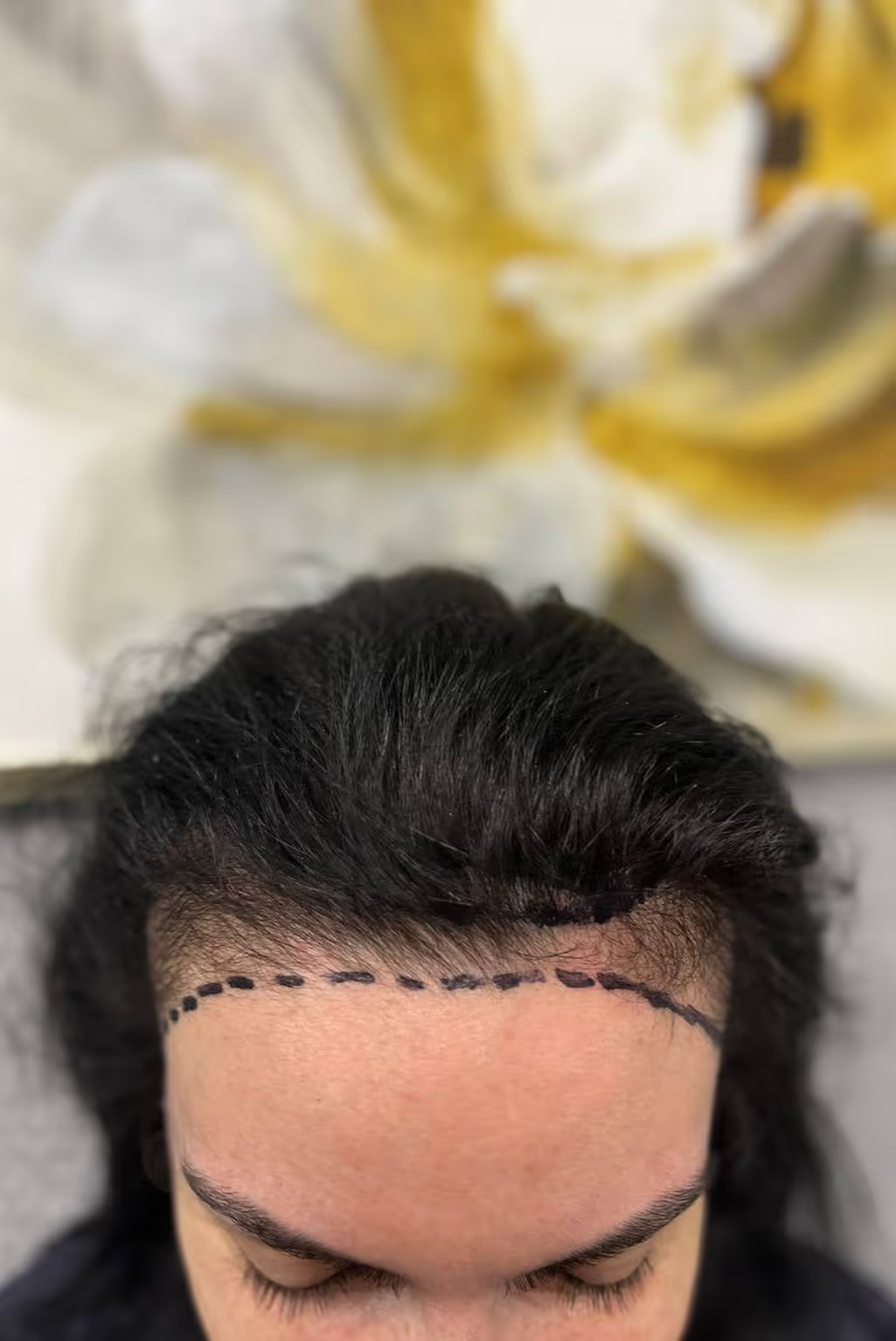
For women whose hair covers the treatment area, having to shave for a transplant is often the single biggest objection to getting one. With Long-Hair FUE, existing hair stays at full length throughout the procedure — donor area, recipient area, all of it — so it camouflages everything during recovery.
Being honest about the trade-off: donor hair needs to be at least 6–8cm long, and the procedure takes longer and is more technically demanding than standard FUE — not a magic shortcut.
For the full technical picture — recovery, results, and who's a good fit — see our Long-Hair FUE service page.
What to expect afterward
Recovery, Styling, and When You'll See Results
Wound healing typically takes 7–14 days. Temporary shedding in weeks 2–4 after the procedure is normal — the follicles are undamaged, and this is not a sign the graft failed.
For context: losing 50–100 hairs a day is considered normal, non-pathological shedding for anyone (AAD) — the temporary shedding described above happens on top of that baseline.
With longer hair, this recovery period is usually far less visible than it would be with a shaved head — existing hair covers both the donor and recipient areas while they heal.
New growth typically starts around month 4, with final density visible between 9 and 12 months. Anyone promising faster "final" results is overselling.
Meet Dr. Vanand: Trained in Long-Hair FUE for Cases Like Yours
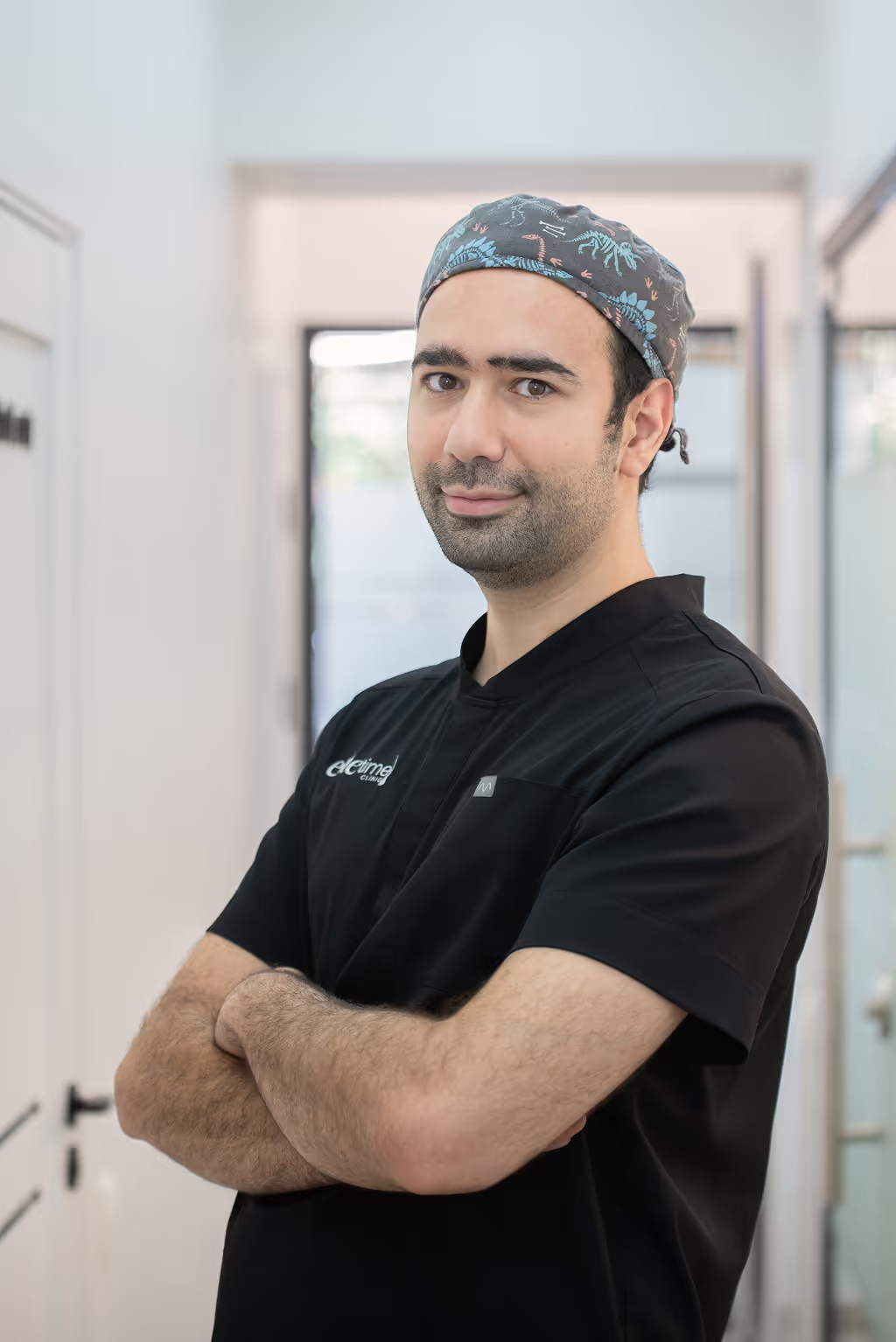
Dr. Vanand
"Every consultation starts with an honest scalp examination — not a sales pitch. If a transplant isn't right for you, I'll tell you directly, and we'll talk about what is."
Honest Answers to Common Questions
More questions about a female hair transplant? Contact us.
Do I have to shave my head for a hair transplant?
Not necessarily. If your donor hair is at least 6–8cm long, Dr. Vanand can perform a no-shave, Long-Hair FUE procedure that leaves existing hair covering the area during recovery. It takes longer and is more demanding — we tell you upfront whether you're a candidate.
Why do fewer women qualify than men?
Female loss is often diffuse — thinning spreads across the whole scalp, including the donor zone. If the donor area is also thinning, there's no stable hair to transplant. We check with a scalp exam before recommending surgery.
How is my hair loss different from male-pattern baldness?
Men lose hair in a defined pattern with a stable donor zone; women more often have even, diffuse thinning — which is why we use the Ludwig scale, not the Norwood scale.
What if I'm not a candidate?
We'll tell you directly and explain why (usually donor instability), then discuss alternatives like minoxidil, spironolactone, PRP, or microneedling.
Will results look natural with my hairstyle?
Yes — for genuine candidates, transplanted hair grows and behaves like natural hair, and can be cut, colored, and styled normally once healed.
How long is recovery, and will people notice?
Wound healing takes about 7–14 days. Temporary shedding in weeks 2–4 is normal (follicles undamaged); with longer hair this is usually far less visible than with a shaved head.
When will I see results?
Growth typically starts around month 4, with final density at 9–12 months. Anyone promising faster "final" results is overselling.
Can pregnancy, menopause, or thyroid issues cause this?
Yes — postpartum shedding, menopause, and thyroid conditions can mimic female pattern loss. We ask about these in consultation, since some causes are temporary and treatable without surgery.
Is PRP a good alternative for me?
It can help, especially if you can't tolerate minoxidil, but current evidence doesn't show PRP alone outperforms minoxidil. We're direct about that.
Do you have before-and-after photos of women's results?
Honestly: not yet. We're building a dedicated female gallery with patients who consent to share their results — ask during your consultation. We won't claim a gallery exists before it does.
Ամրագրեք ձեր անվճար խորհրդատվությունը
Պատմեք մեզ ձեր նպատակների մասին։ Մասնագետը կկապվի ձեզ հետ մեկ աշխատանքային օրվա ընթացքում։