FUE (Follicular Unit Extraction)
- Individual follicles extracted one by one
- Virtually invisible scarring
- Ideal for larger areas
- Shorter recovery period
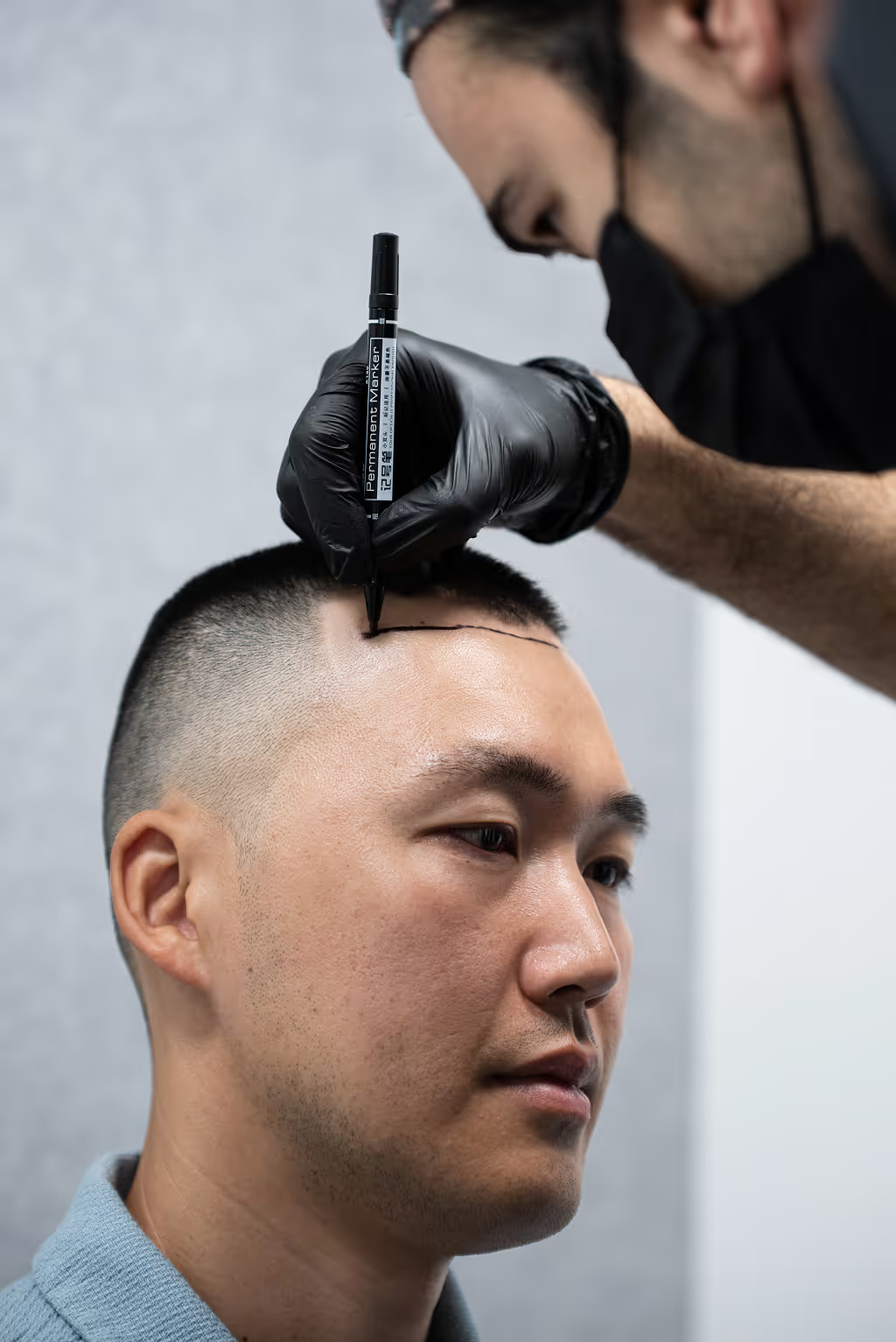
- Natural hairline design

Stop hiding under caps. Get your confidence back with a natural, permanent solution. Our internationally trained specialists use advanced FUE, LH FUE and DHI methods to create the dense, undetectable hairline you want.
Medically reviewed by Dr. Vanand Gevorgian, Hair Transplant Surgeon, ISHRS Member Last reviewed
Hair loss is more than a cosmetic concern. It affects how you see yourself, how others see you, and how you show up in the world.
You've watched your hairline recede year after year. You've tried shampoos, oils, and supplements that promise results but deliver nothing. You've considered wearing a cap permanently or accepting that this is just how it is now.
But you're tired of:
You deserve a permanent fix, not temporary cover-ups.
Hair transplantation is the only proven medical procedure that permanently restores your hair by relocating healthy follicles from resistant areas to thinning or bald areas.
The science is simple: these donor follicles are genetically resistant to balding. Once transplanted, they continue growing for life.
Our specialists assess your hair loss pattern and donor supply to recommend the optimal technique for your best outcome.
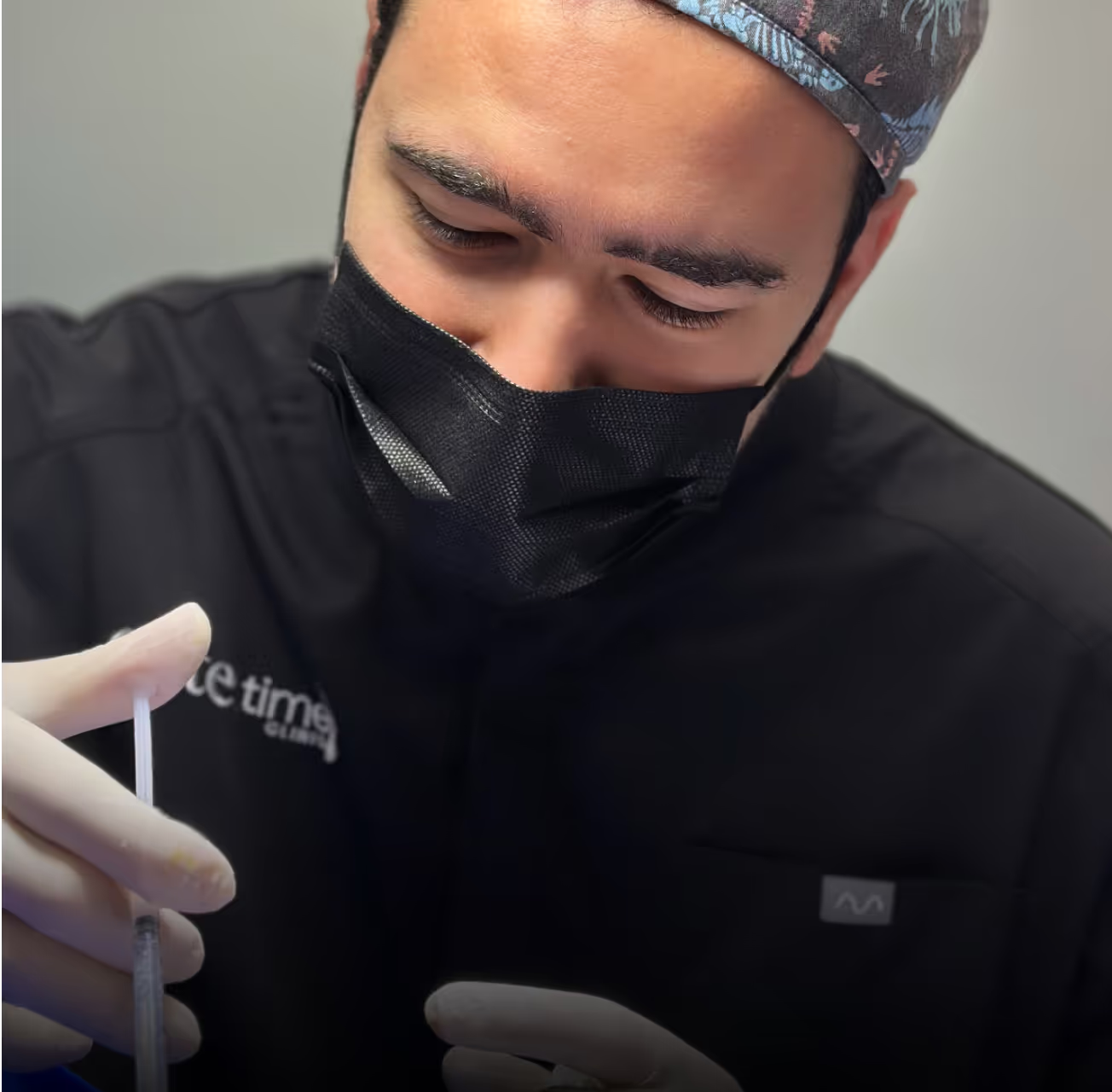
Our medical team is certified and trained in top international clinics. Dr. Vanand, our lead surgeon, specializes in natural hairline design and has performed thousands of successful procedures.
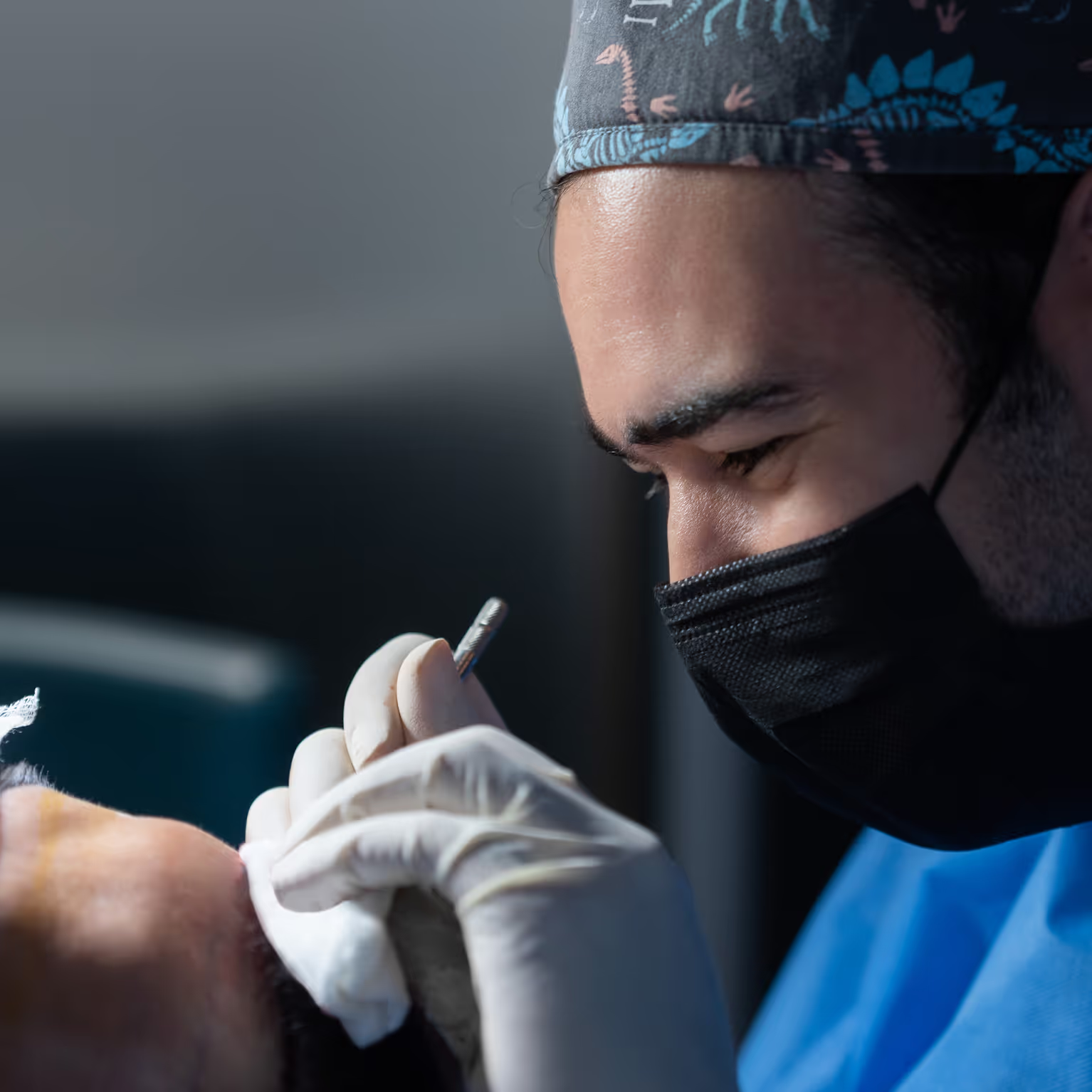
We use state-of-the-art technology for precise implantation, preserving each hair strand to create the most natural-looking results.
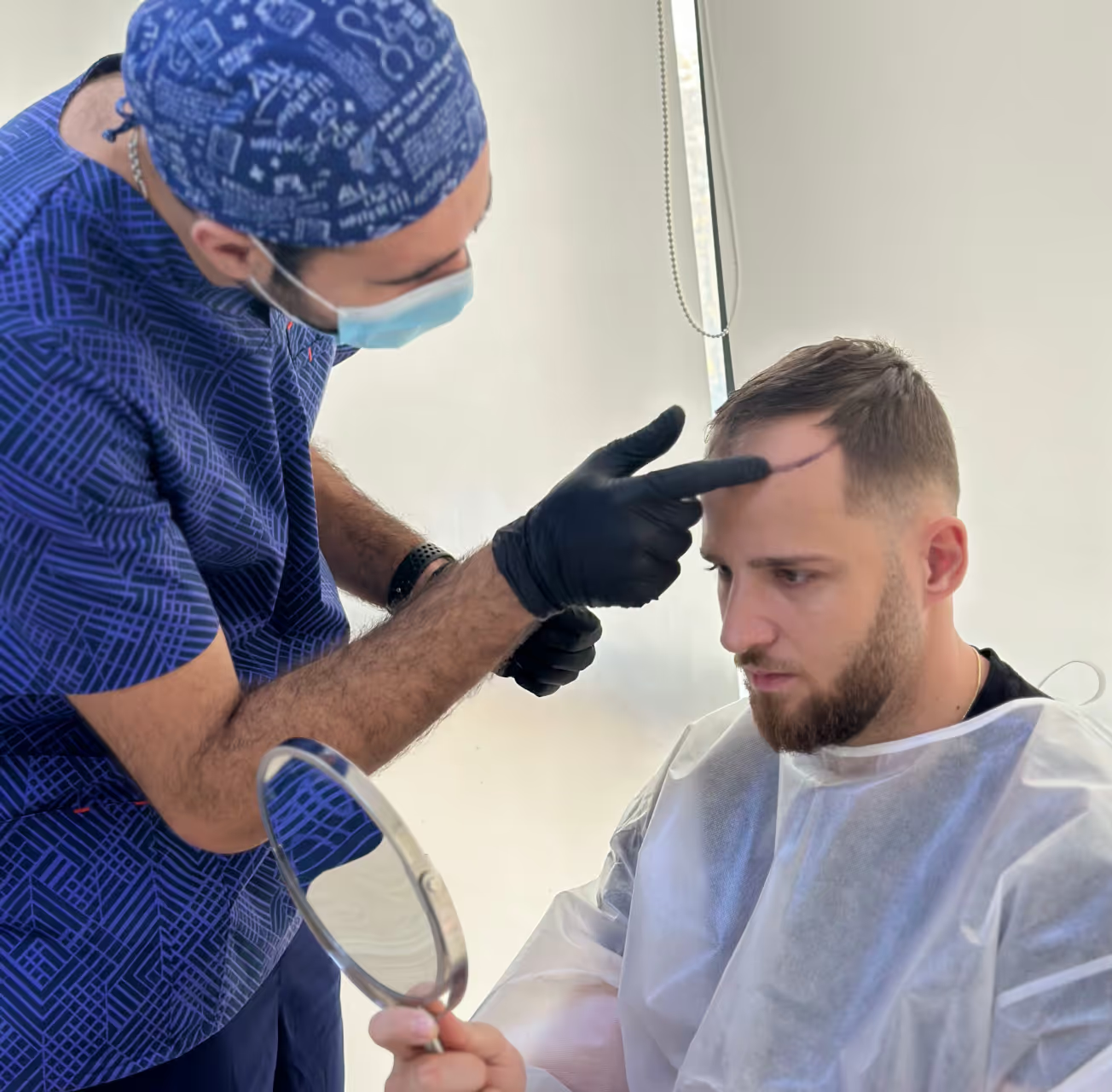
We provide more grafts at competitive pricing. You get exceptional value without compromising on quality — 3,000 to 9,000 grafts depending on your needs.
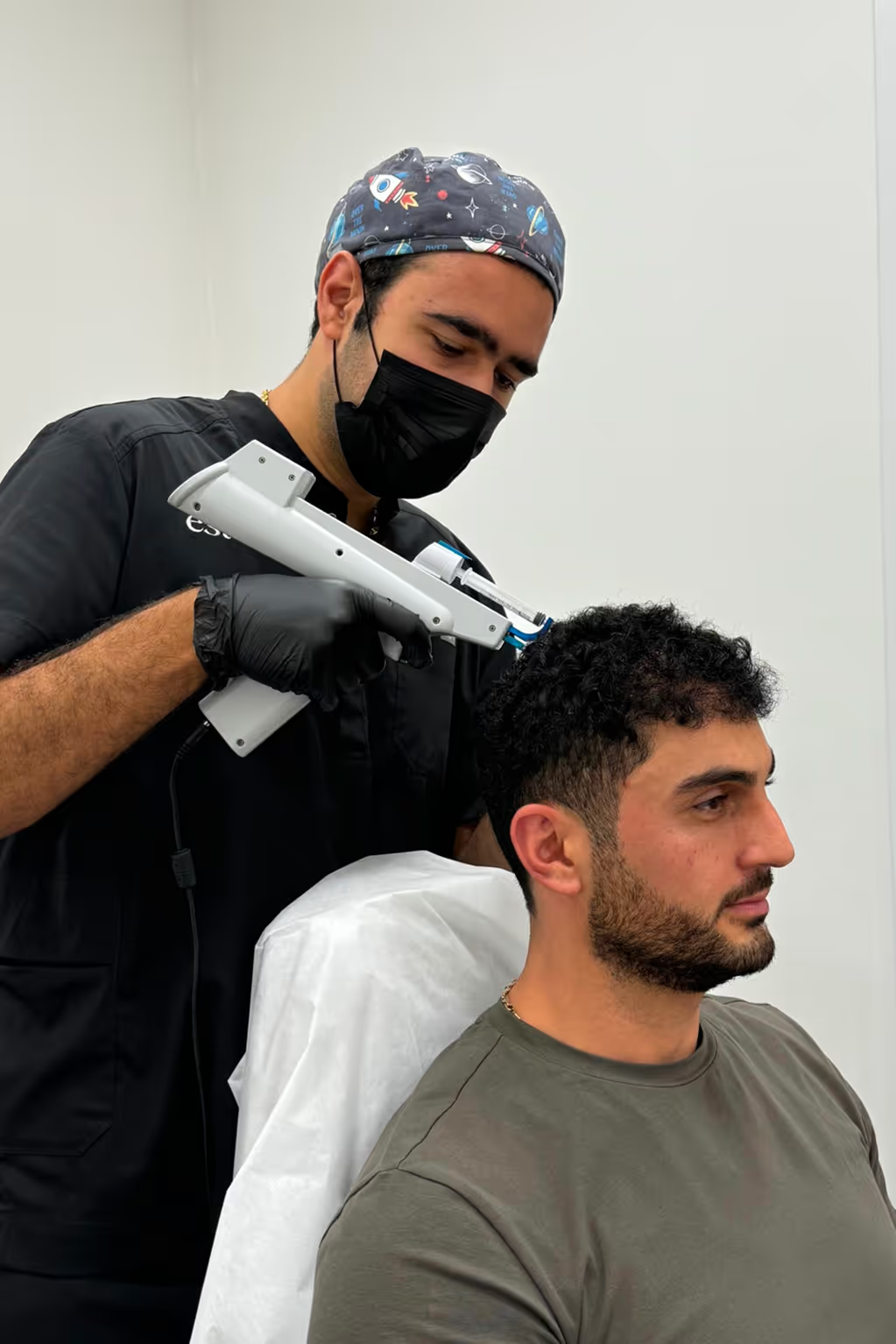
Your journey doesn't end after surgery. We provide detailed aftercare protocols, follow-up consultations, and support to maximize your results and ensure healthy, lasting growth.
8–10 hours depending on graft count
We handle every detail so you can focus on your transformation.
Tell us about your goals. A specialist will get back to you within one business day with next steps.
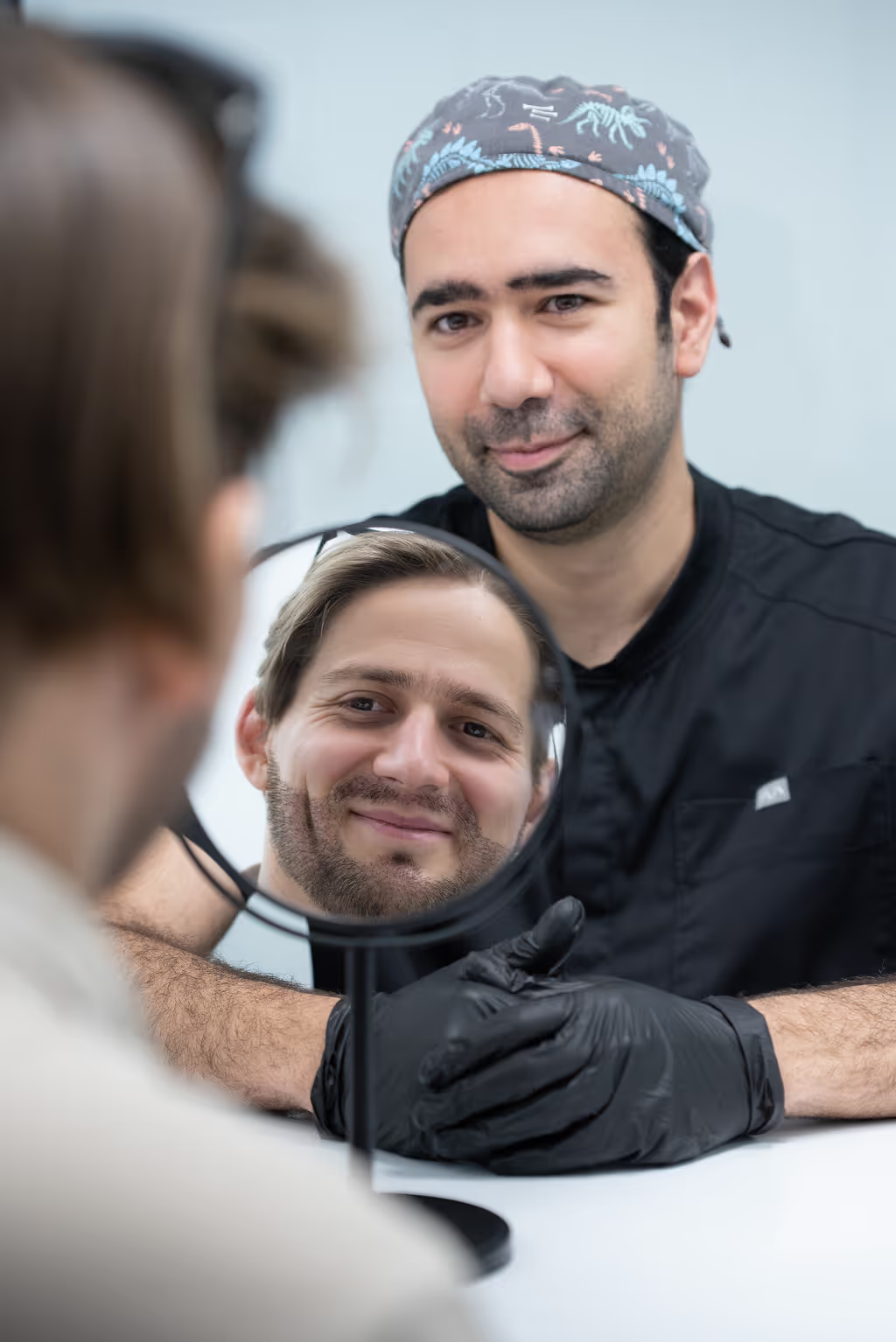
Here are some common questions we get at Estetime Clinic. Contact us.
The cost depends on the size of the bald area as well as the quality and quantity of grafts from the donor zone.
Transplanted hairs do not shed because they are not hormone-dependent and are genetically predisposed to remain intact.
The appearance of transplanted hair is indistinguishable from natural hair, as the procedure takes into account the patient's unique hair growth characteristics.
The procedure is painless and performed under local anesthesia.
Prior to transplantation, diagnostic tests are prescribed according to the doctor's recommendations.
The ideal age range for hair transplantation is considered to be between 25 and 70 years old.
Contraindications include blood pressure fluctuations and elevated blood glucose levels. Patients with uncontrolled systemic conditions (diabetes, hypertension), severe psychological disorders, keloid tendency, very poor donor area, drug allergies, or any active systemic infection are contraindicated.
Patients may return to work as early as the following day if their job does not involve heavy physical activity. For physically demanding work, returning is recommended two weeks post-procedure.
Transplantation can be performed with a minimum of 3,000 grafts up to 9,000 grafts, depending on the extent of the bald area.
The procedure typically takes 6 to 8 hours depending on graft count. Transplanted hairs grow for about a month before shedding. From the 4th month new hairs regrow and gradually thicken. Final results are visible between 9 and 12 months.